

Post-separation abuse
Leaving an abusive relationship is one of the most important steps you can take. For most people, safety and freedom grow from that point. But some abusive ex-partners try to hold onto control in new ways — through shared children, family court, finances or mutual contacts, rather than face-to-face contact.
- If this happens to you, it doesn't mean leaving was the wrong choice. It doesn't mean you're back where you started.
- It means the form of the abuse has changed, so the support you need has changed too.
- This is not a difficult breakup or a high-conflict separation. It's a continued pattern of control, and there is support to help you deal with it.
Does your ex-partner —
Control and intimidate?
- They monitor where you are or who you're with
- They show up uninvited or track you online
- They threaten you, your children or your family — whether or not they follow through
Use money and property?
- They withhold agreed maintenance or refuse to pay shared bills
- They block your access to joint accounts
- They pressure you over the family home
Use children and family?
- They undermine your parenting or expose children to situations that worry you
- They use custody proceedings, delays or false reports to keep you tied up and drained
- They try to turn your family against you
Harm your reputation?
- They tell others you're the "real" abuser, or that you're unstable
- They misuse agencies, false reports or court processes to wear you down
If this sounds familiar, you don't have to face it alone.
- No one should be hurt, controlled, or made to feel afraid in a relationship, or when a relationship ends.
- Help is available. We offer confidential, non-judgemental support to help you understand your options, stay safe, and begin to break the cycle of violence.
Related content

What is technology-facilitated abuse?
Is someone using technology to keep tabs on you, contact you when you don't want them to, or threaten you?
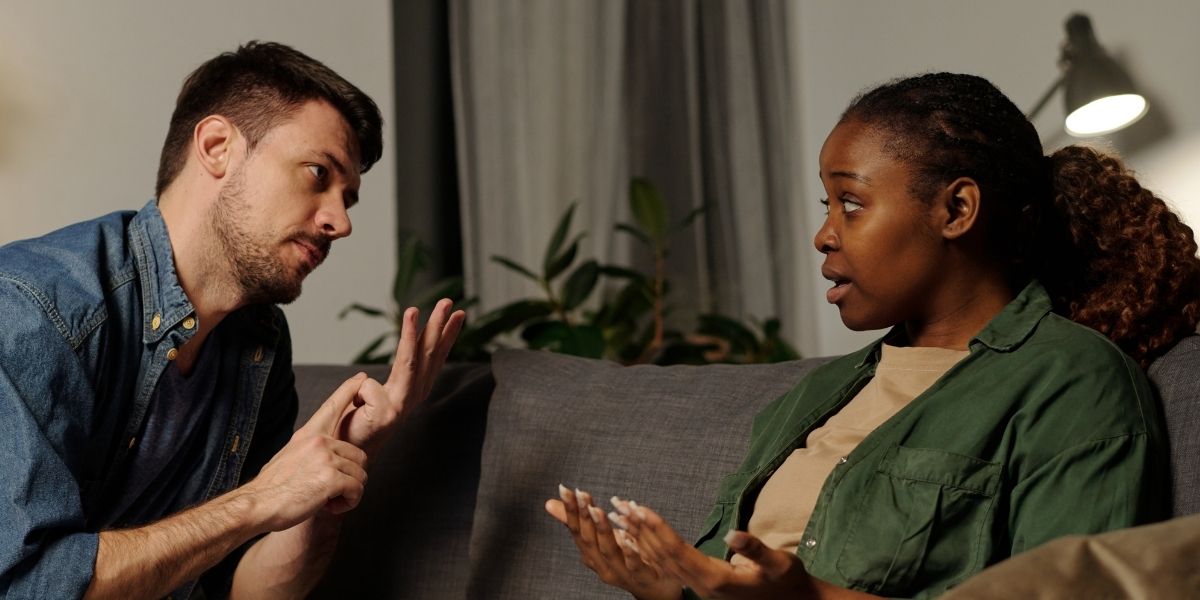
Types of domestic abuse
Understand what different types of abuse look like — physical, emotional, financial, sexual, coercive control.
Understand what different types of abuse look like — physical, emotional, financial, sexual, coercive control.

What is the 'cyle of violence'?
Domestic violence follows a pattern of repeated, escalating, abusive and controlling behaviours. The repeating phases are called the 'cycle of violence.'
No judgement. No pressure. Just support. Call us for free any time on 1800 911 221